2026 Top Perfume Bottles Trends for Global Buyers?
As the global market for Perfume Bottles evolves, trends are shaping the industry in exciting new ways. Renowned fragrance expert, Dr. Emily Roberts, emphasizes the significance of aesthetics: “The bottle is as essential as the fragrance inside.” This statement reflects the rising importance of bottle design in attracting consumers and enhancing brand identity.
In 2026, buyers will notice a variety of innovative designs. Eco-friendly materials are becoming a priority, addressing sustainability concerns. Unique shapes and artistic elements are emerging, captivating customers more than ever. Perfume Bottle trends will blend creativity with functionality.
However, challenges remain. Balancing visual appeal with practicality can be difficult for designers. While embracing trends, some brands risk losing their unique identity. As we explore the trends for Perfume Bottles, it is vital to consider both innovation and authenticity. The future lies in finding that delicate balance.
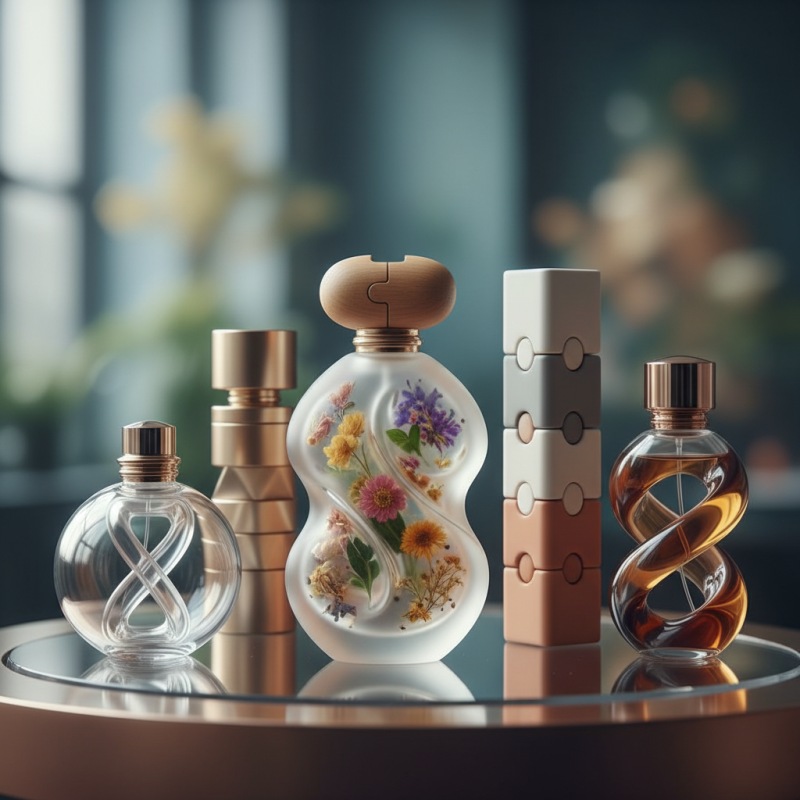
2026 Perfume Bottle Trends: A Comprehensive Overview
As we look forward to 2026, the perfume bottle design landscape promises exciting changes. Elegant curves, unexpected materials, and eco-friendly options are taking center stage. Buyers are increasingly driven by sustainability, favoring bottles made of recycled glass and biodegradable materials. This trend highlights a shift towards mindful consumer choices.
Crafting a distinct identity through bottle design is essential. Clear bottles with textured surfaces add visual interest. Irregular shapes can evoke artistic flair, attracting design-conscious consumers. Brands may need to embrace partnerships with artists or designers to achieve this uniqueness. However, balance is necessary; over-complication can confuse buyers.
Tips: Keep an eye on minimalist designs. They simplify choices for consumers. Additionally, consider functional elements like easy-to-use sprayers. This enhances user experience and satisfaction.
While innovation is exciting, it’s crucial to stay relevant. Some designs may feel dated quickly. Continuous market research can prevent this misalignment. Adaptability should guide decisions in a fast-changing industry. Embracing feedback can lead to improvements that resonate with buyers. Prioritizing user engagement ensures relevance in future designs.
Innovative Design Elements in 2026 Perfume Bottles
The perfume bottle designs in 2026 are set to reflect the evolving tastes of consumers worldwide. Innovative elements such as geometric shapes and sustainable materials are dominating trends. Many designers are experimenting with asymmetry, creating unique silhouettes that stand out on shelves. Using recycled glass and biodegradable components is becoming standard practice, emphasizing environmental responsibility.
Color plays a crucial role, too. Bold hues and iridescent finishes catch the eye, enticing buyers to explore new fragrances. Some bottles now incorporate sensory elements, like texture variations to enhance tactile experiences. However, accessibility remains an issue—highly artistic designs may not be practical for every consumer, making usability a critical factor for brands.
Additionally, personalization trends are rising. Customizable bottles allow buyers to express their individuality. While this is exciting, it raises questions about mass production and sustainability. Striking the right balance is essential. As consumers become more discerning, brands must navigate these complexities to create not only beautiful but also meaningful designs.
2026 Top Perfume Bottles Trends for Global Buyers
Sustainability in Perfume Packaging: Consumer Expectations for 2026
The quest for sustainability in perfume packaging is more critical than ever. By 2026, studies indicate that over 70% of consumers will consider eco-friendliness as a primary factor in their purchasing decisions. This shift forces brands to rethink their packaging strategies. The use of biodegradable materials, such as plant-based plastics, is becoming common. Reports suggest that nearly half of all packaging will need to transition to sustainable options to meet consumer expectations.
However, challenges remain. Many brands struggle with sourcing sustainable materials that still provide elegance and functionality. Current research reveals that 65% of consumers are disappointed when brands fail to match their sustainability claims with actual practice. This gap represents a significant risk for companies. They must ensure transparency and accountability in their packaging processes.
Moreover, there is growing pressure for innovative designs. Simple yet elegant bottles using recycled glass are gaining attention. Yet, is the industry moving fast enough? The responsiveness to consumer preferences will dictate market success. The future of perfume packaging is not only about aesthetics, but also about a commitment to environmental responsibility. The path forward requires thoughtfulness and genuine effort.
Cultural Influences Shaping Perfume Bottle Aesthetics in 2026
Cultural influences play a vital role in shaping perfume bottle aesthetics in 2026. Different regions bring unique traditions, materials, and designs. For instance, the use of natural elements like wood and stone reflects a growing appreciation for sustainability. As consumers seek more meaningful connections, these elements resonate deeply.
Tip: When choosing a perfume bottle, consider its materials. An eco-friendly option not only looks good but also tells a story.
Art and history remain significant influences. In some cultures, intricate designs signify luxury and heritage. The blend of modern and classic elements creates a dialogue between the past and future. Sometimes, this balance can feel forced. Yet, it invites us to think critically about authenticity in design.
Tip: Look for details that resonate with you personally. A bottle should not just be beautiful; it should evoke emotions.
In 2026, functionality cannot be ignored. Innovative designs that enhance usability will gain traction. However, the pursuit of practicality should not overshadow artistic expression. Reflect on how these trends represent your values.
The Role of Technology in Perfume Bottle Manufacturing by 2026
As we move towards 2026, technology is set to transform the perfume bottle manufacturing landscape. Advanced manufacturing techniques, such as 3D printing, are gaining momentum. These methods allow for rapid prototyping and customization, bringing unique designs to life. However, while efficiency is improved, the challenge lies in ensuring quality control. In the rush to innovate, some may overlook essential steps in the production process.
Sustainability also plays a critical role in the perfume bottle sector. Eco-friendly materials and processes are becoming more prevalent. Manufacturers are exploring biodegradable plastics and recycled glass options. Yet, this shift requires careful consideration. Finding materials that do not compromise on aesthetics or functionality remains a complex task. The balance between sustainability and luxury can be hard to achieve.
Moreover, smart technology integration is on the horizon. Imagine bottles equipped with sensors for freshness monitoring. This could enhance user experience. Reaching this goal, however, entails significant research and development costs. The industry must reflect on finding affordable solutions. Keeping innovation accessible while maintaining high-quality standards is imperative for lasting success.