2026 Top Flame Retardant Polyester Suppliers?
Choosing the right Flame Retardant Polyester supplier in 2026 requires more than comparing prices or product catalogs. Buyers must examine polymer performance, flame-spread behavior, smoke generation, color stability, and processing consistency. A reliable supplier should provide traceable test data, clear technical documentation, and production experience across demanding applications.
Dr. Arthur R. Horrocks, a recognized textile flame-retardancy specialist, has emphasized, “The flame retardancy of a textile is not a property of the fibre alone.” This point remains highly relevant. Fabric construction, dyeing, finishing, thickness, and end-use conditions can all influence real-world performance. A fiber that performs well in a laboratory may behave differently after repeated washing or mechanical stress.
The 2026 supplier landscape is becoming more technical. Leading manufacturers are investing in halogen-free formulations, recycled feedstocks, lower-smoke systems, and tighter quality controls. Some suppliers look impressive on paper. Their production evidence may be thinner.
This guide explores the strongest Flame Retardant Polyester suppliers for 2026. It considers material quality, certification practices, manufacturing capacity, customization, sustainability claims, and customer support. It also recognizes an uncomfortable truth: no supplier is ideal for every application. A solution designed for public transportation may not suit protective clothing or industrial filtration.
Look beyond the brochure. Ask for recent test reports, batch records, and washing-performance results. Confirm whether the quoted specification matches the delivered product. Small differences matter. A dependable supplier earns trust through repeatable performance, not bold promises.
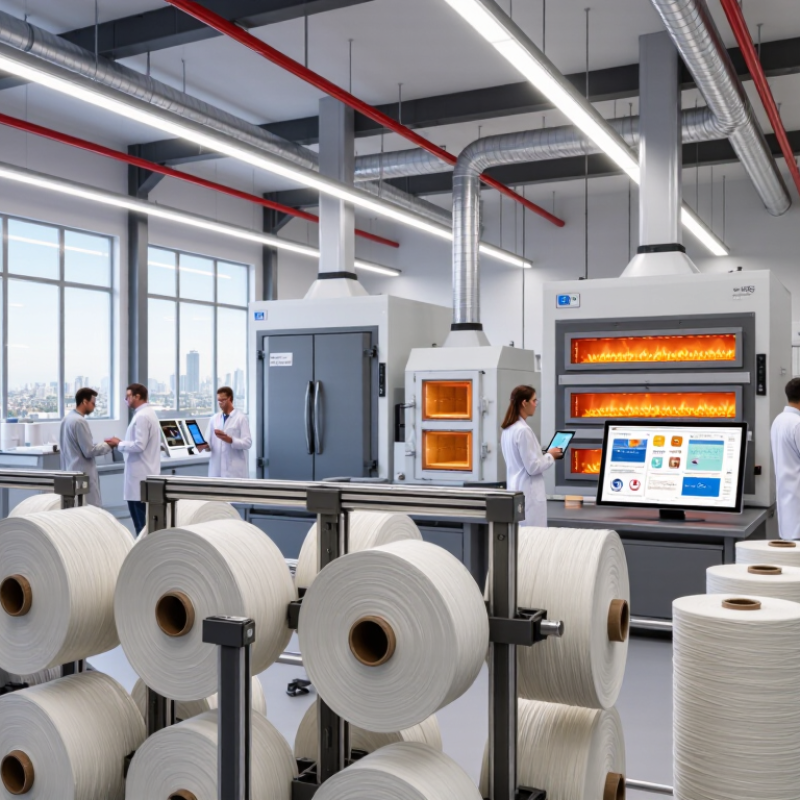
What Is Flame Retardant Polyester and How Does It Work?
Flame retardant polyester is polyester engineered to resist ignition and slow flame spread. It is not fireproof. Its performance depends on fiber chemistry, fabric construction, exposure time, and finishing quality. Some fibers contain flame-resistant compounds during polymer production. Others receive a surface treatment after weaving or knitting.
When heated, these materials can form a protective char layer. That layer reduces contact between oxygen and the polymer beneath it. Certain phosphorus- or nitrogen-based systems also help interrupt combustion reactions in the flame zone. The fabric may shrink, melt, or release smoke, so “flame retardant” does not mean harmless under every condition. Testing remains essential.
In supplier evaluations for 2026, buyers should request test reports, fiber content records, durability data, and washing-cycle results. A reliable supplier should explain the test method, laboratory conditions, and product limitations clearly. Ask whether protection remains after repeated laundering, abrasion, or outdoor exposure. Small differences matter. In textile testing, an identical-looking fabric can perform differently after 20 washes.
The strongest suppliers usually control polymer selection, spinning, weaving, dyeing, and final inspection. They should also provide traceable batch information and consistent technical support. I would not rely on a single certificate or sales statement. That approach sounds efficient, but it can hide weaknesses. Better decisions come from comparing independent results with real-use requirements, including heat, moisture, pressure, and movement.
2026 Flame-Retardant Polyester Suppliers: What Is It and How Does It Work?
Supplier-neutral comparison of representative limiting oxygen index (LOI) values. LOI indicates the minimum oxygen concentration required to sustain combustion; normal air contains approximately 20.9% oxygen.
How it works: Conventional polyester typically has an LOI close to atmospheric oxygen levels, so it can continue burning once ignited. Flame-retardant polyester uses phosphorus-, nitrogen-, or other halogen-free systems to promote protective char, dilute combustible gases, and interrupt flame-propagation reactions. Typical values vary with fiber construction, additive concentration, and test conditions. LOI is commonly measured using ASTM D2863 or ISO 4589-2.
Key Standards for Evaluating Flame Retardant Polyester Suppliers
2026 Top Flame Retardant Polyester Suppliers?
Selecting a flame retardant polyester supplier requires more than comparing prices. Start by matching the material to its end use, such as curtains, workwear, transport seating, or protective covers. Ask for current test reports under relevant standards, including ISO 15025, ASTM D6413, EN ISO 14116, or NFPA 701. The correct method depends on the product design and market requirements. A certificate without sample identification is weak evidence.
Check whether the supplier controls production batches, additive distribution, yarn strength, and color consistency. Request batch records, safety data sheets, technical data sheets, and washing-performance results. Independent laboratory testing adds credibility, especially when claims involve low afterflame time or limited flame spread. A factory audit can reveal practical details, such as dusty storage areas or poorly labeled rolls. These details matter. They are easy to overlook.
Tips: Order production samples, not only showroom swatches. Test them after the intended washing cycle. Compare shrinkage, pilling, tensile strength, and flame behavior. Ask how failed batches are isolated and investigated. A supplier may provide excellent documents but inconsistent fabric. I have found that small trial orders often expose problems earlier than formal presentations. No supplier is perfect. Your evaluation should record weaknesses, corrective actions, and the evidence supporting every performance claim.
Top Flame Retardant Polyester Suppliers in 2026
In 2026, top flame retardant polyester suppliers will be judged by evidence, not polished claims. Experienced buyers should examine fiber composition, flame-retardant chemistry, and production consistency. A reliable supplier can provide recent test reports from qualified laboratories. These reports should cover ignition resistance, flame spread, smoke behavior, and washing durability. Performance must remain stable after repeated laundering.
Technical support matters too. Strong suppliers explain denier, staple length, finish, moisture response, and recommended processing temperatures. They should also provide traceable batch records and clear technical data sheets. Ask for samples from different production lots. Small differences can affect spinning, dyeing, and fabric hand feel. That detail is easy to miss.
Certification alone is not enough. I would verify the test method, report date, sample identity, and laboratory credentials before approving a supplier. Some suppliers may perform well in a single test but struggle during large-scale production. That risk deserves attention.
No supplier is perfect. A careful evaluation should include lead time, minimum order quantity, packaging quality, replacement procedures, and communication speed. Suppliers with transparent limitations are often more dependable than those promising universal performance.
In 2026, the strongest partnerships will combine tested flame resistance, stable manufacturing, responsive engineering support, and honest documentation.
How to Select the Right Flame Retardant Polyester Supplier
Selecting a flame retardant polyester supplier requires more than comparing prices. Textile Exchange’s 2024 Materials Market Report estimates global fiber production reached 124 million tonnes in 2023, with polyester representing about 57%. This scale makes traceability and process control essential. Ask for polymer specifications, additive details, production locations, and lot-level records.
Performance must match the final application. For apparel, upholstery, transport interiors, and technical fabrics, request testing against relevant methods such as ASTM D6413, NFPA 701, or EN ISO 15025. Do not accept one certificate for every use. Test scope matters. The NFPA report Fire Loss in the United States During 2022 recorded about 1.5 million fires and 3,790 civilian fire deaths. These figures underline why reliable flame performance cannot be treated as a marketing claim.
A capable supplier should provide recent third-party reports, wash-cycle results, colorfastness data, and production samples from normal batches. Ask for the lot. Check whether results remain stable after dyeing, coating, stretching, and laundering. I would also audit response times, complaint handling, and backup capacity. A low quotation may hide inconsistent denier or delayed testing. That matters. One practical weakness remains: laboratory fabric results may not represent a finished product in real use. Arrange independent verification before approval, and review the supplier annually rather than relying on a first successful sample.