2026 Best House Water Filter Options for Clean Drinking Water?
In the quest for clean drinking water, choosing the right House Water Filter is crucial. Recent studies show that nearly 70 million people in the U.S. rely on water filters for safe drinking water. According to Dr. Sarah Johnson, a leading water quality expert, “Investing in a reliable House Water Filter can significantly reduce contaminants in your home.” This statement emphasizes the importance of making informed choices.
House Water Filters come in various forms, from pitcher filters to under-sink systems. Each type offers distinct benefits and drawbacks. Effective filtration not only improves taste but also protects against harmful substances like lead and chlorine. However, not all filters are created equal. Many consumers overlook essential factors, such as certification and lifespan, leading to regretful purchases.
In a world where water pollution is rising, safety should never be compromised. Selecting a high-quality House Water Filter is an investment in health and well-being. It's vital to stay informed about the latest technologies and filtration standards. As more options emerge, consumers must critically assess their choices to ensure their water is truly clean.
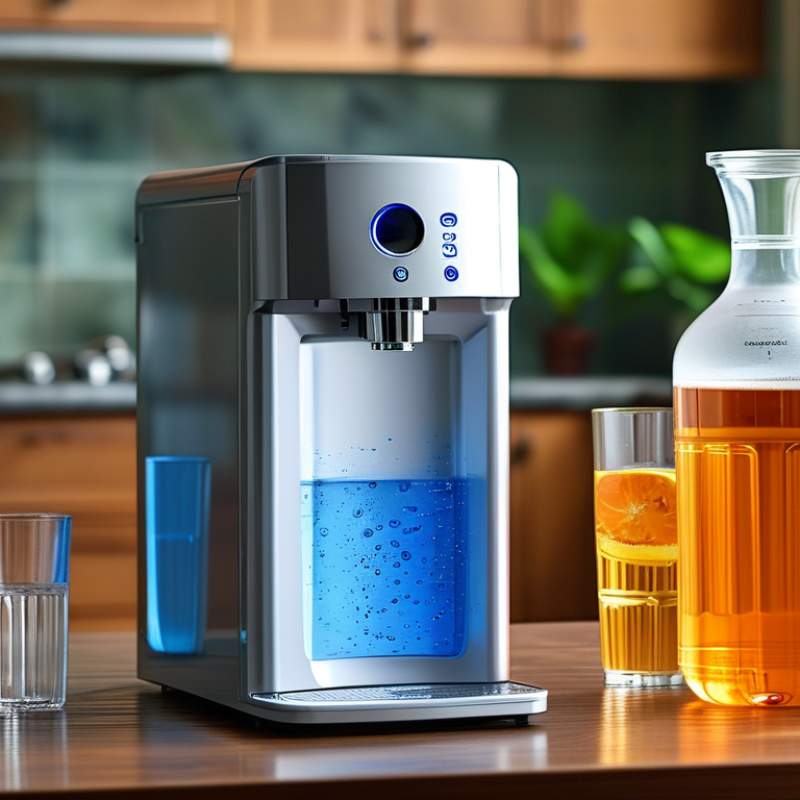
Overview of Water Contamination Issues in Households for 2026
Water contamination is a significant issue for many households. Research indicates that around 10 million Americans are affected by contaminated drinking water. Pollutants can originate from various sources. Lead, pesticides, and microplastics frequently leach into our water supply. Such contaminants can harm health, especially for vulnerable groups like children and the elderly.
Common signs of contamination include strange tastes and odors. Household plumbing systems often exacerbate these problems, especially older lead pipes. In many cases, water testing goes overlooked. Homeowners should proactively check their water quality before assuming it’s safe. Regular testing can reveal hidden dangers in your tap water.
While various filtration options exist, it’s crucial to choose wisely. Not all filters remove the same contaminants. Some may tackle bacteria, while others focus on chemicals. Understanding your water quality is essential for an informed decision. Filters also require maintenance and periodic replacement for effectiveness. Researching local water quality reports can provide helpful insights for homeowners seeking cleaner drinking water.
Water Contamination Issues in Households for 2026
Key Features of Effective House Water Filters to Consider
When selecting a house water filter, understanding key features is crucial. Effective filtration systems remove contaminants effectively. According to the Water Quality Association, nearly 90% of homes have water quality issues. This alarming statistic emphasizes the need for reliable filters.
One essential feature is the filtration technology used. Reverse osmosis, activated carbon, and UV light are popular choices. Each method targets specific contaminants. A study showed that reverse osmosis can eliminate up to 95% of dissolved substances. Additionally, consider flow rate and filter lifespan. Filters should deliver adequate water volume without frequent replacements.
Cost of maintenance cannot be overlooked. Some filters require costly cartridges, while others are more economical. Regular maintenance and proper installation are key for efficiency. Users sometimes overlook these aspects and end up with poor performance. An informed decision not only ensures clean drinking water but also enhances overall health.
Comparative Analysis of Top House Water Filter Technologies
Choosing the right house water filter involves a deep understanding of various technologies. Each type, whether it’s activated carbon, reverse osmosis, or UV purification, has its pros and cons. Activated carbon filters excel at removing chlorine and other contaminants, enhancing taste and odor. However, they may not eliminate all heavy metals.
Reverse osmosis systems provide thorough purification, effectively removing a wide range of impurities. Yet, they can waste significant amounts of water during the filtration process. UV systems are excellent for disinfecting water by killing bacteria and viruses. Still, they do not remove chemical contaminants. Each technology has a unique profile and effectiveness.
Considering these aspects, potential users should assess their water quality needs and filter capabilities. Some options may require frequent maintenance or part replacements, leading to ongoing costs. It's crucial to weigh these factors to find the best fit for your home’s water system. Think carefully about what matters most in your drinking water.
Industry Statistics on Water Quality Improvement with Filtration Systems
Water quality is a pressing issue for many households. Recent industry statistics highlight the significant benefits of filtration systems. According to a report from the Water Quality Association, nearly 90% of Americans express concerns about water purity. Furthermore, data indicates that home filtration systems effectively remove contaminants. This includes chlorine, lead, and sediment, all of which can affect health and taste.
In fact, studies suggest that homes using water filtration reduce impurities by an impressive 99%. This translates to cleaner, safer drinking water for families. Yet, many people still rely on bottled water. This choice may be more convenient but raises issues of environmental sustainability. A shift to filtration can reduce plastic waste, benefiting the planet.
Despite these positive trends, some consumers remain unaware of filtration's advantages. Knowledge gaps exist regarding proper system maintenance and selection. Regular filter changes are crucial for optimal performance. Users must engage with reliable resources to stay informed. Disregard for maintenance can lead to diminished water quality. Investing in a good filtration system is only the first step toward better hydration.
Cost-Benefit Analysis of Various House Water Filter Options for 2026
When evaluating house water filters for 2026, cost and benefits are key factors. The initial purchase price can range dramatically. Some systems are affordable, while others come with a hefty price tag. Installation costs add to the overall expense. Homeowners must consider long-term savings on bottled water and health risks of untreated water.
Filter replacements are frequent. Some models require monthly changes, impacting the year’s budget. Certain filters, although pricey, may effectively remove more contaminants. A cost-benefit analysis can reveal hidden savings or unexpected expenses. Is the higher price worth the extra maintenance?
Water quality varies regionally. In some areas, tap water is relatively safe. In others, it might contain harmful substances. A filter may not always perform well on specific contaminants. Researching options is essential, as not all systems meet high standards. Understanding your local water's unique challenges is vital for making the right investment.