2026 Best Nonwoven Machine for Global Buyers Insights?
The Nonwoven Machine industry is experiencing significant growth. According to a report by Smithers, the global market for nonwoven fabric is projected to reach $50.8 billion by 2026. This growth arises from increased demand in sectors such as hygiene, medical, and automotive. Industry expert Dr. Emily Chen emphasizes, "The efficiency of nonwoven machines will redefine production standards in the coming years."
Choosing the right nonwoven machine is crucial for manufacturers. The right equipment can enhance productivity and reduce costs. However, many buyers struggle to assess machines based on their features and capabilities. Longevity, maintenance, and production speed are all vital considerations. Without a comprehensive understanding, decisions may lead to regretful choices.
In a rapidly evolving market, staying informed is essential. Innovations in nonwoven technology can transform workflows. Buyers must evaluate performance, sustainability, and adaptability. While many suppliers showcase their strengths, potential buyers should remember that not every machine fits their needs. Striking the right balance between quality and cost can present challenges.
Overview of Nonwoven Machines and Their Applications
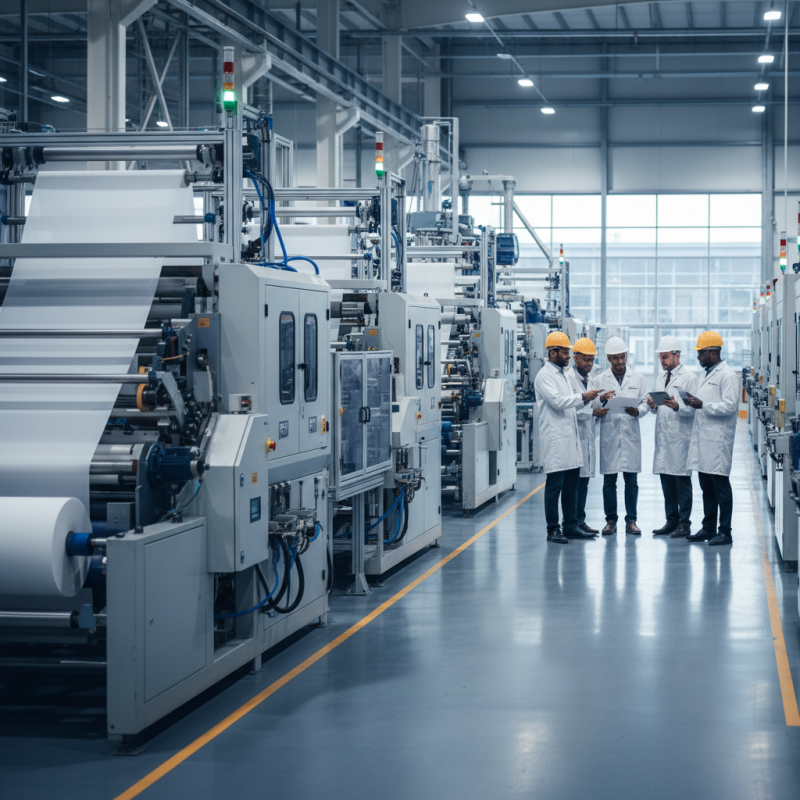
Nonwoven machines play a crucial role in various industries, transforming raw materials into versatile fabrics. The global nonwoven market is projected to reach $50 billion by 2026. This growth is driven by increasing demand for hygiene products, medical textiles, and construction materials. Nonwoven fabrics offer unique advantages, such as lightweight design and moisture absorption, making them ideal for disposable applications.
Surgical gowns and masks are notable applications of nonwoven fabrics in the healthcare sector. In 2022, the medical nonwoven market accounted for approximately 25% of the total nonwoven market share. The need for these disposable products surged during the pandemic, highlighting the importance of nonwoven machines in responding to urgent demands. These machines require careful operation and maintenance, as inefficiencies can lead to increased waste and production costs.
While nonwoven technologies continue to advance, there are challenges. Machines may face issues with material consistency or throughput rates. Investors should consider the long-term implications of these challenges. More sustainable practices are necessary, balancing profitability with environmental responsibility. Robust, reliable machines are essential for maintaining quality while addressing these evolving concerns.
2026 Best Nonwoven Machine Insights
This chart represents the market share distribution of different types of nonwoven machines projected for 2026. Notably, the Spunbond machine holds the largest share, followed by Wetlaid and Needle Punch technologies, reflecting their growing applications in various industries.
Key Features to Consider in Nonwoven Machinery
When selecting nonwoven machinery, certain key features stand out. Buyers should prioritize machine efficiency and versatility. A machine that can handle different fibers effectively will expand production capabilities. Additionally, energy consumption is crucial. Machines that optimize energy use can significantly reduce operational costs.
Tips: Look for machines with modular designs. Modular components allow for easier upgrades and repairs. This can save time and money in the long run. Durability is also important. Investing in a robust machine can prevent frequent breakdowns, which are costly.
Another factor to consider is technology integration. Advanced machines offer options for automation, which can enhance productivity. However, relying too much on automation might lead to challenges. Training staff to manage these technologies is essential. Ensure that your team is prepared for any technical issues that may arise. This might require regular training sessions or workshops. Reflect on the learning curve for both operators and support staff. Balancing technology and human expertise is key to successful operations.
Top Manufacturers and Brands of Nonwoven Machines in 2026
The nonwoven machinery market is evolving rapidly. As of 2026, industry reports indicate that the demand for nonwoven fabrics will grow significantly. Key sectors include hygiene, automotive, and medical applications. Manufacturers are focusing on innovation, driven by sustainability and efficiency.
Leading brands are investing in advanced technology. Reports suggest that the global nonwoven market will reach approximately $60 billion by 2026. This growth reflects the increasing usage of nonwoven materials in various industries. However, challenges remain, such as the need for more eco-friendly production methods. Each manufacturer must address these issues to stay competitive.
Emerging companies are also gaining traction. They often prioritize cost-effectiveness and shorter lead times. This diversity creates a dynamic marketplace. Nonetheless, not all brands maintain consistent quality. Buyers should conduct thorough research to identify reliable manufacturers. In a sector marked by rapid change, informed decisions are crucial for long-term success.
Market Trends and Innovations in Nonwoven Technology
The nonwoven technology sector is experiencing rapid changes. New market trends are shaping the future for manufacturers globally. One notable innovation is the use of sustainable materials. Many producers are shifting to biodegradable fibers that reduce environmental impact. This transition is vital as sustainability becomes a priority for buyers.
Additionally, automation is revolutionizing the production process. Advanced machinery is improving efficiency and output. However, this shift poses challenges. Smaller manufacturers may struggle to invest in new technologies. It's essential for these businesses to explore partnerships or funding options. This can help them stay competitive in a demanding market.
Tips: Consider adopting hybrid technologies. These integrate traditional and modern processes, offering flexibility. Investing in employee training fosters innovation. Encourage team members to share ideas on improving production methods. Stay informed on regulatory changes to ensure compliance. Understanding these trends is crucial for making informed decisions in the nonwoven market.
Buying Guide for Global Buyers Seeking Nonwoven Machines
When looking for the best nonwoven machines, buyers must focus on several key factors. First, understand the specific requirements of your production line. Each machine type serves different purposes, from medical applications to automotive uses. Selecting the right one can significantly impact production efficiency.
Evaluate the machine's capabilities, including speed and material compatibility. Some machines excel in producing lightweight nonwovens, while others focus on heavy-duty fabrics. Material versatility is crucial for adapting to various market demands. Take note of the energy consumption as well. While energy-efficient machines can reduce costs, they might also have a higher initial investment.
Research is critical. Read reviews and consult industry professionals to gain insights into performance and durability. Communication with suppliers can also reveal valuable information about after-sales support. Consider not only the machine's price but also its long-term value. An affordable option may not always translate to cost savings if it requires frequent repairs or replacement parts.
2026 Best Nonwoven Machine for Global Buyers Insights
| Machine Type | Production Capacity (kg/h) | Energy Consumption (kWh) | Operation Type | Estimated Price (USD) |
| Spunbond Nonwoven Machine | 400 | 150 | Automatic | $150,000 |
| SSS Nonwoven Machine | 300 | 120 | Semi-Automatic | $120,000 |
| Meltblown Nonwoven Machine | 250 | 180 | Fully Automatic | $200,000 |
| Needle Punch Nonwoven Machine | 350 | 160 | Semi-Automatic | $140,000 |