
2026 Best Hinged Shower Screen for Global Buyers?

Choosing the best Hinged Shower Screen for global buyers in 2026 requires more than comparing photographs and prices. A bathroom in Singapore may need different ventilation and sealing performance than one in northern Europe. Local water pressure, humidity, wall construction, and installation habits can change the buying decision. No single model wins everywhere.

This guide examines practical details, including tempered safety glass, hinge strength, door clearance, seals, drainage, and long-term maintenance. An 8 mm panel may feel stable, while a 10 mm panel can provide a more substantial appearance. However, thicker glass does not automatically mean better performance. The frame, hinges, wall fixings, and installation quality matter just as much. Small gaps near the bottom edge can leave water on the floor after every shower. That detail is easy to miss.

Experienced installers often check wall alignment before recommending a hinged design. Uneven tiles can place stress on the hinges and prevent the door from closing cleanly. Buyers should also request clear specifications, verified test information, warranty terms, replacement-part availability, and packaging details. A polished product photo is not evidence. Neither is a vague quality claim. Certification requirements and building practices vary by market, so local professional advice remains important. This article will compare suitable options for different climates, bathroom sizes, budgets, and project needs. Some recommendations may still need adjustment. Real bathrooms are rarely perfect.
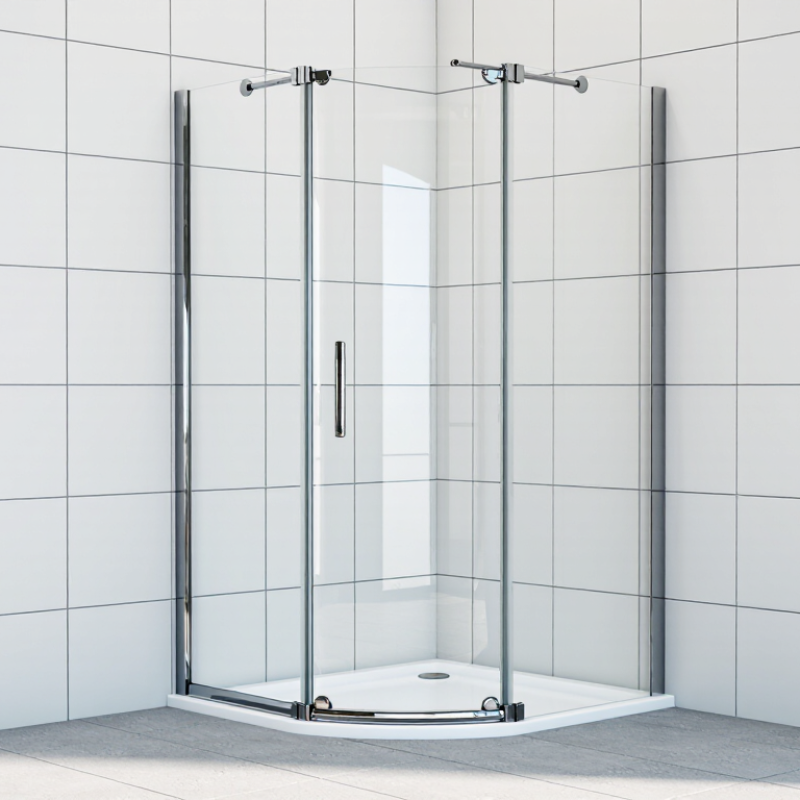
2026 Best Hinged Shower Screen for Global Buyers?

What Is a Hinged Shower Screen?

A hinged shower screen is a glass panel attached to a fixed wall or panel with hinges. The door swings inward, outward, or both ways, depending on its design. Unlike sliding screens, it has no rollers or tracks. This creates a cleaner entrance and makes daily cleaning easier. Most models use safety glass, wall profiles, seals, and corrosion-resistant hinges. Glass thickness and hinge quality affect stability. A professional installer should check the wall structure before fitting the screen.

For global buyers in 2026, bathroom space matters more than appearance alone. Measure the door swing carefully, especially near toilets, vanities, and towel rails. A small bathroom may need an outward-opening door for easier access. In a wet-room layout, a fixed return panel can reduce water spread. However, no screen keeps every drop inside. Poor floor slope, weak seals, or an uneven wall can still cause leaks. That is an easy detail to underestimate.

Tips: Confirm the opening width, glass certification, hinge load, seal replacement method, and installation requirements. Choose finishes suited to local humidity and water conditions. Ask for clear care instructions. Wipe the glass after use, because mineral spots build quickly in hard-water areas. Hinged screens feel simple, but they are not completely maintenance-free. A small installation error may become a daily annoyance.

How Hinged Shower Screens Work and Where They Are Used

How Hinged Shower Screens Work and Where They Are Used

A hinged shower screen uses fixed glass panels, hinges, seals, and a wall or floor channel. The hinges allow the door to swing outward, inward, or both ways, depending on the hardware design. When closed, magnetic strips or compression seals help control water spray. Tempered safety glass is commonly selected because it breaks into small granules rather than sharp shards. Still, glass is not indestructible.

Hinged screens suit walk-in showers, corner enclosures, and compact hotel bathrooms. They need enough clearance for the door swing. A 700–900 mm opening often feels practical, but room layout matters more than a single measurement. According to Mordor Intelligence’s 2024 shower enclosure market report, the sector is projected to grow at roughly 5% annually through the forecast period. That growth reflects renovation demand and rising interest in open bathroom layouts. I would not treat market growth as proof that every hinged design fits every home.

Installation quality decides much of the daily experience. Walls must be checked for plumb, and hinges need solid fixing points. The U.S. Glass Association notes that proper glazing practices and suitable safety glass are essential in wet-area installations. A small alignment error can make the door drag, leak, or remain partly open. Users should also check local building requirements, glass thickness, ventilation, and cleaning access before ordering. Hinged screens look simple. They are not.

Key Materials, Glass Types, and Hardware Options

For a hinged shower screen, material choices affect daily cleaning, stability, and service life. Look for corrosion-resistant metal hardware, such as stainless steel or properly finished brass. Finishes can still wear, especially where water sits around hinges and screw heads. Drying those areas helps, though few households do it every time. That matters.

Tempered safety glass is widely used because it is designed to break into smaller, less sharp pieces than ordinary glass. Clear glass keeps a small bathroom feeling open, while frosted glass adds privacy and softens visible water marks. Textured glass can hide fingerprints, but cleaning its grooves takes more effort. Check the panel thickness and the supplier’s stated specifications rather than judging strength by appearance alone.

Hinges should match the door’s weight and opening direction. Adjustable models can help installers align a door against a slightly uneven wall, but adjustment range is limited. A firm closing feel is useful; scraping or loose movement is not. Handle shape also matters when hands are wet. Before ordering, measure the finished opening, including tile and any uneven edges. One missed measurement can turn a neat screen into an awkward fit. Ask for clear details on glass, hardware finish, seals, and replacement parts. Specifications are helpful, but real installation conditions can still surprise you.

How to Choose the Best Hinged Shower Screen for Global Markets

Choosing a hinged shower screen for global markets starts with the bathroom, not the catalogue. Measure the opening at the top, middle, and bottom, since walls are rarely perfectly straight. Check the door’s swing direction and allow space for nearby toilets, towel rails, and vanity drawers. A few millimetres matter. Confirm whether the screen can be adjusted during installation, especially for renovation projects with uneven walls.

Glass thickness, hinge capacity, and sealing details affect daily use. Ask suppliers for clear product specifications and installation instructions, then compare them against the needs of your target market. Look for durable hinge materials and replaceable seals; a stiff door or persistent floor leak can quickly frustrate users. Salt air can accelerate corrosion. Coastal projects may need more attention to hardware finish and maintenance guidance.

Also consider local preferences for entry width, glass appearance, and cleaning effort. Verify applicable safety and building requirements with qualified local professionals rather than assuming one specification suits every region. Packaging deserves attention too: corner protection and secure hardware compartments can reduce damage during long-distance shipping. Request a sample or inspect a production unit before placing a large order. It takes time, and it may not reveal every installation issue, but relying on catalogue images alone is a risk.

2026 Best Hinged Shower Screen for Global Buyers? - How to Choose the Best Hinged Shower Screen for Global Markets
Selection Factor Typical Options or Specifications What Global Buyers Should Check Practical Buying Guidance
Screen configuration Single hinged panel; hinged door with fixed inline panel; hinged door with return panel. Confirm whether the bathroom layout supports an outward, inward, or both-direction opening, and whether a fixed panel is needed to contain spray. Choose a single panel for a simple alcove or corner opening. Consider fixed panels for wider openings, while preserving enough entry clearance.
Typical dimensions Common door widths are approximately 700–900 mm; overall screen heights are often approximately 1,850–2,000 mm. Product ranges vary. Measure the finished opening at the top, middle, and bottom. Check wall plumb, floor level, finished tile thickness, and available swing clearance. Use the manufacturer's actual adjustment range rather than nominal size alone. Confirm dimensions after wall and floor finishes are complete.
Glass thickness Common options include 6 mm, 8 mm, and 10 mm toughened safety glass. Check that the hinge set, supports, seals, and installation method are specified for the selected glass thickness and panel size. Thicker glass is heavier and may feel more substantial, but requires compatible hardware and suitable wall fixing. Compare the complete assembly, not thickness alone.
Safety glass and compliance Toughened safety glass is commonly used for shower screens. Applicable requirements differ by destination market. Request documentation for the standards required in the destination country, such as EN 12150-1, ANSI Z97.1 and applicable CPSC requirements, or AS/NZS 2208. Verify the exact product, glass marking, test documentation, and local building requirements. A reference to a standard is not a substitute for checking the relevant market rules.
Hinges and hardware Hinges may be wall-to-glass or glass-to-glass. Finishes commonly include chrome, brushed finishes, and dark finishes. Confirm hinge load capacity, opening direction, adjustment, finish durability, and compatibility with the glass cut-outs and panel weight. For humid or coastal locations, ask about corrosion resistance and maintenance requirements. Stainless steel grade and finish should be confirmed with the supplier.
Seals and water control Typical components include bottom sweeps, vertical seals, and threshold or splash deflectors where appropriate. Check that seal lengths and profiles suit the door gap and threshold arrangement. Installation, floor slope, and showerhead position also affect splash control. A hinged screen helps manage shower spray but is not a fully waterproof enclosure. Follow installation instructions and use suitable bathroom-grade sealant where specified.
Accessibility and entry Clear entry width depends on the opening, panel layout, hinge position, and door swing. Compare the unobstructed opening with local accessibility requirements and the needs of the intended users. Check the clear opening on the installed layout, not just the stated overall screen width. Allow space for handles and nearby fixtures.
Installation and maintenance Installation may require wall anchoring, careful glass handling, accurate alignment, and periodic seal inspection. Confirm wall substrate, fixing method, required tools, installer qualifications, replacement-part availability, and care instructions. Use a qualified installer for heavy glass panels. Clean with non-abrasive products and inspect hinges and seals periodically.
Global sourcing and delivery Packaging, shipping dimensions, spare parts, and warranty coverage vary by supplier and destination. Request packed dimensions and weight, export packaging details, lead time, replacement-part terms, warranty exclusions, and destination-specific documentation. Compare the delivered specification and after-sales support alongside the product price. Confirm who is responsible for import duties, taxes, and local compliance checks.

Buyer note: Dimensions and configurations above are typical market examples, not universal requirements. Confirm final measurements, product documentation, and applicable building and safety rules for the installation location before ordering.

Installation, Safety Standards, Maintenance, and Buying Considerations

A hinged shower screen works well when the bathroom layout gives its door enough room to swing. Measure the opening at the top, middle, and bottom; walls are not always perfectly straight. Check that the door clears the vanity, toilet, and towel rail. Measure twice. During installation, secure hinges into suitable wall framing or approved anchors, following the screen maker’s instructions. A level, plumb frame helps the seals meet evenly and limits leaks.

Safety requirements differ by market, so global buyers should check local building guidance and product documentation before ordering. Look for safety-glass identification and clear information about the glass type and thickness. Tempered glass is commonly used, but its suitability depends on local requirements and the complete screen design. Ask how the panel is tested and whether replacement parts are available. A low price means little if a damaged seal or hinge cannot be replaced.

Wipe glass and metal fittings with a soft cloth after use; dried mineral spots can become stubborn. Use mild cleaners, not abrasive pads that may scratch finishes or seals. Check hinge screws and door alignment periodically, especially if the screen begins to drag. Small shifts matter. Before buying, confirm the opening direction, mounting surface, available clearance, warranty terms, and spare-seal supply. I would not assume every “easy-fit” screen suits an uneven wall; that detail deserves a careful second look.

Optimized by Optimole