2026 Best Class A Fire-Resistant Structure for Global Buyers?
In recent years, the demand for Class A Fire-Resistant Structures has surged. A report by the National Fire Protection Association indicates that nearly 1.3 billion dollars are spent annually on fire-related damages in commercial buildings alone. This statistic underlines the necessity for robust fire-resistant construction. Class A Fire-Resistant Structures play a pivotal role in mitigating fire risks. They ensure the safety of occupants and assets.
However, not all Class A materials meet the latest safety standards. Inconsistent quality can lead to vulnerabilities that compromise fire resistance. A recent study highlighted that 25% of buildings did not perform as expected during fire tests. This inconsistency is alarming and raises questions about material selection and compliance. Buyers must be cautious and deliberate when choosing suppliers.
Investing in a Class A Fire-Resistant Structure is essential for long-term safety and compliance with building codes. Fire safety is not just a regulatory requirement; it is a moral responsibility. As the construction industry evolves, a commitment to quality must remain paramount. This ensures that every structure built not only complies with regulations but also truly protects lives and property against the threat of fire.
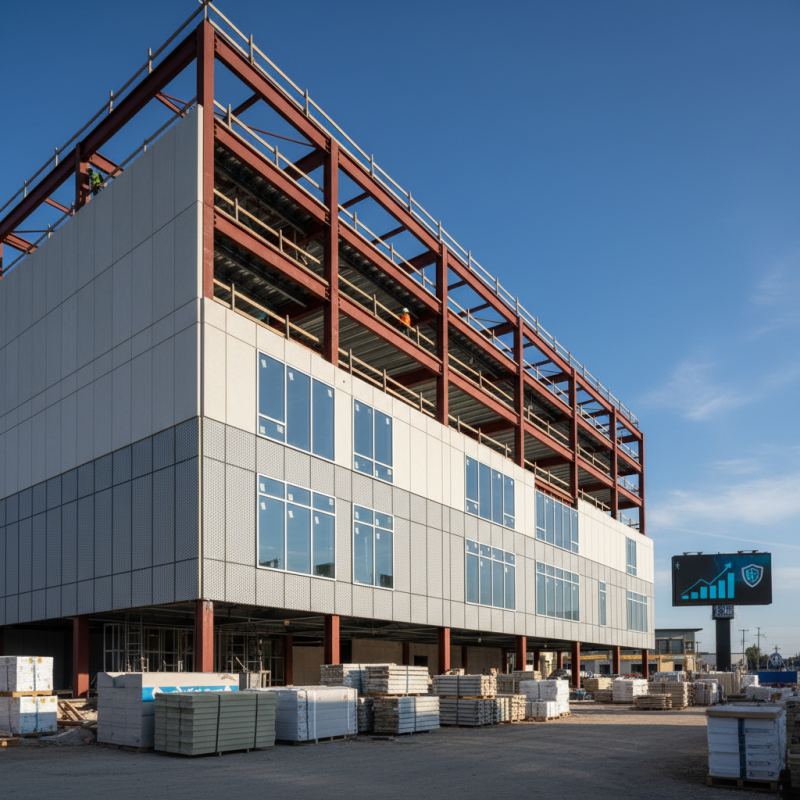
Overview of Class A Fire-Resistant Structures in 2026
In 2026, Class A fire-resistant structures are gaining attention globally. These buildings are engineered to protect against fire hazards effectively. Materials like concrete and steel are often used due to their resilience. Class A structures are essential in regions prone to wildfires and industrial accidents.
Building standards have become stricter. Many architects focus on integrating fire-resistant materials into their designs. The goal is to minimize damage and save lives. The trend is reflected in modern urban planning. Cities are adopting these structures to enhance safety and sustainability.
Tips: Consider fire safety when planning a building project. It's vital to research materials and their fire ratings. Engage with professionals who specialize in fire-resistant design for better results. Investing in quality can save lives and reduce losses in emergencies. Always aim for improvement in safety protocols. Reflecting on past incidents can help drive progress.
Key Features and Benefits of Class A Fire-Resistant Buildings
Class A fire-resistant buildings offer significant safety advantages. These structures are designed to withstand high temperatures without sustaining severe damage. The materials used often include fire-rated concrete, steel, and special insulation. Such features enhance the overall durability of the buildings. However, there is still a need for regular maintenance and checks.
Another key benefit is insurance savings. Many insurers offer lower premiums for Class A-rated buildings. This can lead to substantial financial advantages for owners. However, the upfront construction costs might be higher. It's essential for buyers to weigh the long-term benefits against initial investments.
Incorporating advanced fire alarm systems and sprinkler technology is another critical element. These systems work in tandem with the structure's integrity. There can be challenges in ensuring these technologies are compatible with building designs. It's a complex area where expertise and regular updates are crucial. This highlights the importance of consulting with professionals who specialize in fire safety.
Top Global Manufacturers of Class A Fire-Resistant Materials
Class A fire-resistant materials are essential for enhancing building safety. These materials can withstand high temperatures and prevent fire spread. For global buyers, understanding the key manufacturers in this field is crucial.
Leading producers focus on innovative technologies. They develop solutions that meet international standards. Common materials include mineral-based compounds and fire-rated glass. These components play a vital role in construction. They protect lives and property.
However, there are challenges in the industry. Material durability varies. Some products might not perform as expected over time. Buyers should investigate carefully. Understanding a manufacturer's reputation is crucial. Reliable suppliers often provide detailed testing results. This transparency is key for trust in quality and effectiveness.
Comparative Analysis of Fire-Resistant Standards Worldwide
The global landscape of fire-resistant building structures varies significantly, driven by local regulations and fire incidents. The International Building Code (IBC) emphasizes materials that withstand high temperatures and limit flame spread. However, compliance among countries can be inconsistent. For instance, the European Union's Eurocode 5 provides robust standards for timber structures, while Asian markets are rapidly adopting modern materials like fire-resistant glass.
According to recent industry reports, the demand for Class A fire-resistant materials has surged by over 25% in the past five years. This reflects a growing awareness of fire safety. Nonetheless, challenges remain. Many builders lack expertise in optimal material selection, leading to subpar fire protection measures. It is crucial for architects and engineers to continually educate themselves on evolving standards to enhance safety and resilience.
Regional differences complicate matters. In North America, a focus on non-combustible materials contrasts starkly with the flexibility seen in parts of Asia. There is a growing need for a unified approach to fire standards. Global buyers face the dilemma of navigating these complexities while ensuring project safety. As the construction industry evolves, reliable information and adherence to best practices become paramount.
2026 Best Class A Fire-Resistant Structures - Global Standards Comparison
Future Trends in Class A Fire-Resistant Construction Techniques
The construction industry is witnessing significant innovations in Class A fire-resistant structures. In recent years, sustainable materials and advanced technologies have gained traction. New composites and treatments enhance resistance to flames. This shift is crucial as cities expand and fire risks escalate.
Future techniques in fire-resistant construction involve integrating smart technology. Sensors can detect temperatures and smoke levels. These innovations provide real-time data, alerting occupants to potential dangers. While promising, challenges remain in implementation costs and technology adoption. Not all regions have resources for such advancements.
Moreover, the focus on sustainable practices leads to questions about long-term durability. While eco-friendly materials are important, can they match traditional methods? Striking a balance is essential for safe and resilient structures. Fire resistance is not just about materials; design also plays a key role. Understanding the interplay between aesthetics and safety is vital.
2026 Best Class A Fire-Resistant Structure for Global Buyers?
| Construction Technique | Fire Resistance Rating | Material Used | Cost Estimate (per sq ft) | Sustainability Rating |
| Reinforced Concrete | up to 4 hours | Concrete, Steel Reinforcement | $120 | High |
| Steel Frame with Fireproof Coating | up to 2 hours | Steel, Fire Retardant Coating | $140 | Moderate |
| Brick and Block Construction | up to 3 hours | Brick, Concrete Blocks | $100 | High |
| High-Performance Timber | up to 1 hour | Engineered Wood Products | $90 | Moderate |
| Fire-Resistant Composite Panels | up to 3 hours | Composite Material | $150 | High |