2026 Best Carbon Steel Pipe Buying Guide for Global Buyers?
In the ever-evolving world of construction and manufacturing, understanding the nuances of the Carbon Steel Pipe market is crucial for global buyers. According to a recent report by Global Market Insights, the demand for carbon steel pipes is projected to grow at a compound annual growth rate (CAGR) of 5.2% from 2023 to 2029. This growth highlights the rising applications in industries such as oil and gas, infrastructure, and power generation.
Industry expert Dr. Elaine Zhang, a respected voice in materials engineering, emphasizes, “The choice of carbon steel pipes can significantly impact project longevity and performance.” Her insight underscores the importance of selecting high-quality materials tailored to specific needs. Moreover, challenges like inconsistent quality and varying supplier standards continue to plague the market. Buyers must navigate these complexities to ensure reliable sourcing.
When investing in Carbon Steel Pipes, understanding specifications, pricing, and supplier credibility is essential. Knowledge of these factors can lead to better decisions. However, with the ongoing fluctuations in steel production and raw material availability, buyers must remain vigilant. The path to finding the best Carbon Steel Pipes is fraught with challenges but also filled with opportunities for those willing to invest time and resources.
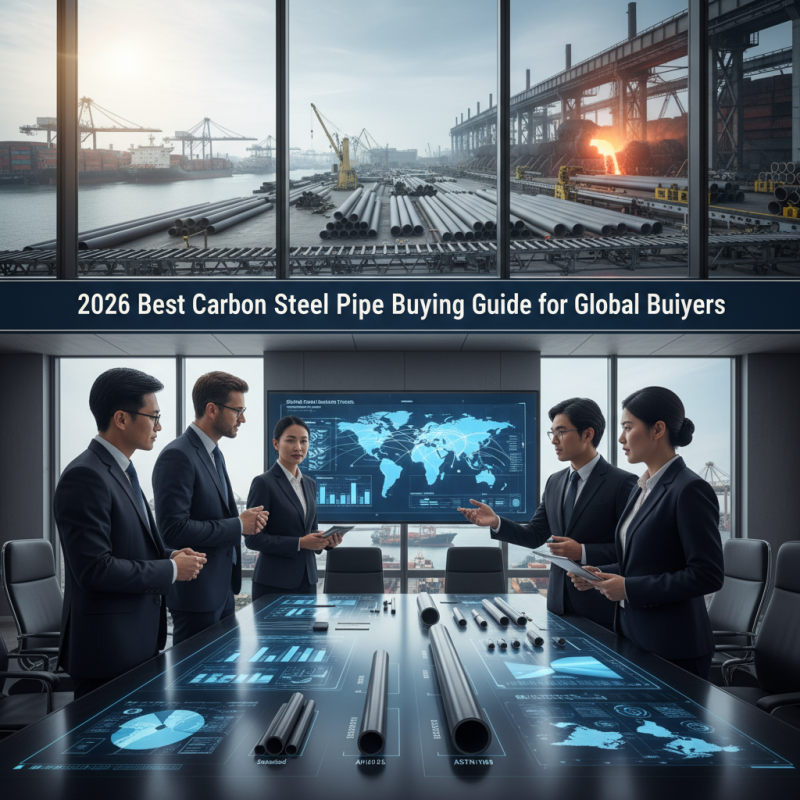
Understanding Carbon Steel Pipes and Their Applications
Carbon steel pipes are widely used in various industries, making them essential to understand. These pipes are made from carbon steel and can withstand high pressure and temperature. Their applications range from construction to transportation of fluids. The versatility of carbon steel pipes makes them a go-to choice for engineers and contractors globally.
When considering the right carbon steel pipe, know the grades and specifications. Different grades serve various uses. For instance, pipes used in oil and gas may need different standards than those for water supply. It’s crucial to match the pipe type to its intended application to prevent future issues.
Tips: Always check the pipe’s wall thickness and diameter for compatibility. Ensure you understand the material's specifications fully. Quality assurance can save time and resources. Never compromise on the details — small oversights can lead to costly failures down the line. Seek expert opinions when unsure about your choices.
Key Factors to Consider When Buying Carbon Steel Pipes
When purchasing carbon steel pipes, several key factors warrant attention. First, consider the pipe's specifications. Assess the required dimensions, wall thickness, and grade. Different applications demand different types. For instance, pipes used in oil and gas applications must withstand high pressure. Understanding your needs is crucial.
Another important aspect is the manufacturer's credibility. Look for suppliers with a track record of quality. Research their certifications and compliance with industry standards. Reliable manufacturers ensure their pipes meet safety and durability requirements. Engaging with industry experts can provide further insights into reputable suppliers.
Pricing also plays a vital role, but it shouldn't be the sole focus. Cheap pipes might compromise on quality. Analyze the cost relative to durability and maintenance. A higher initial investment could save money in the long run through reduced replacements and repairs. Reflect on the balance between cost and quality for an informed purchase.
2026 Best Carbon Steel Pipe Buying Guide for Global Buyers
| Specification | Description | Key Factors to Consider | Typical Applications |
| ASTM A106 | Standard Specification for Seamless Carbon Steel Pipe | High pressure applications, temperature up to 750°F | Petrochemical, Oil & Gas |
| ASTM A53 | Standard Specification for Pipe, Steel, Black and Hot-Dipped, Zinc-Coated, Welded and Seamless | Moderate pressure, structural applications | Construction, HVAC |
| ASTM A500 | Standard Specification for Cold-Formed Welded and Seamless Steel Structural Tubing in Round and Shapes | Structural integrity, fatigue resistance | Building frames, towers |
| API 5L | Specification for Line Pipe | Durability, transport of oil and gas | Oil pipelines, natural gas |
| EN 10219 | Cold formed welded and seamless structural pipes | Corrosion resistance, mechanical properties | Railings, construction |
Comparing Different Grades of Carbon Steel Pipes
When considering carbon steel pipes, it’s essential to understand the different grades available. Each grade has its distinct properties, impacting how it performs in various applications. For instance, A106 grade B is commonly used for high-temperature service. It offers excellent tensile strength but may not withstand harsh corrosive environments.
On the other hand, ASTM A53 grade B is more versatile and easier to weld. This grade works well for structural applications and is more prone to corrosion unless treated. It's critical for buyers to choose the suitable grade based on specific needs—details often overlooked in the selection process.
Not all suppliers provide the same quality, leading to potential performance issues down the line. Understanding the material grade helps mitigate risks. Buyers must be cautious and perform due diligence on their suppliers, ensuring they meet industry standards. It’s a vital step in achieving reliable results in any project involving carbon steel pipes.
Top Suppliers and Manufacturers of Carbon Steel Pipes
When choosing carbon steel pipes, understanding the market's top suppliers and manufacturers is essential. According to a recent industry report by Grand View Research, the global carbon steel pipe market is projected to reach $91.1 billion by 2026, driven by increasing demand in construction and energy sectors.
Several manufacturers have established themselves as industry leaders. They focus on high-quality standards and sustainable practices. However, the competition is fierce. Some suppliers struggle to maintain a balance between cost and quality, which can lead to inconsistency. Buyers must thoroughly research these suppliers to ensure their reliability.
Certifications are crucial in choosing a manufacturer. They provide assurance regarding product quality. However, not all manufacturers comply with these standards, leading to potential risks. One should evaluate the supplier’s track record and customer feedback. This process could unveil important trends and highlight potential red flags. Emphasizing these factors helps ensure a successful purchasing decision in the expansive carbon steel pipe market.
Maintenance and Care Tips for Carbon Steel Pipes
Maintaining carbon steel pipes is crucial for ensuring their longevity and performance. Regular inspections are vital. Look for signs of rust or wear. Simple visual checks can often reveal hidden issues. Clean your pipes frequently to prevent buildup. A mild detergent mixed with water can be effective. Remember, chemicals can sometimes harm the surface.
Proper storage also plays a crucial role. Store pipes in a dry environment to avoid moisture accumulation. Cover them with protective materials when not in use. It’s easy to overlook this step, yet it significantly impacts the lifespan. Ensure there’s no direct contact with ground materials, as moisture can seep in.
Lastly, realize that even with the best care, carbon steel pipes will degrade over time. Be attentive to their condition. If unusual sounds or leaks occur, act quickly. Repair and replacement may be necessary. This proactive approach will save costs in the long run.