2026 Best Anode Grade Coke Insights from the 139th Canton Fair?
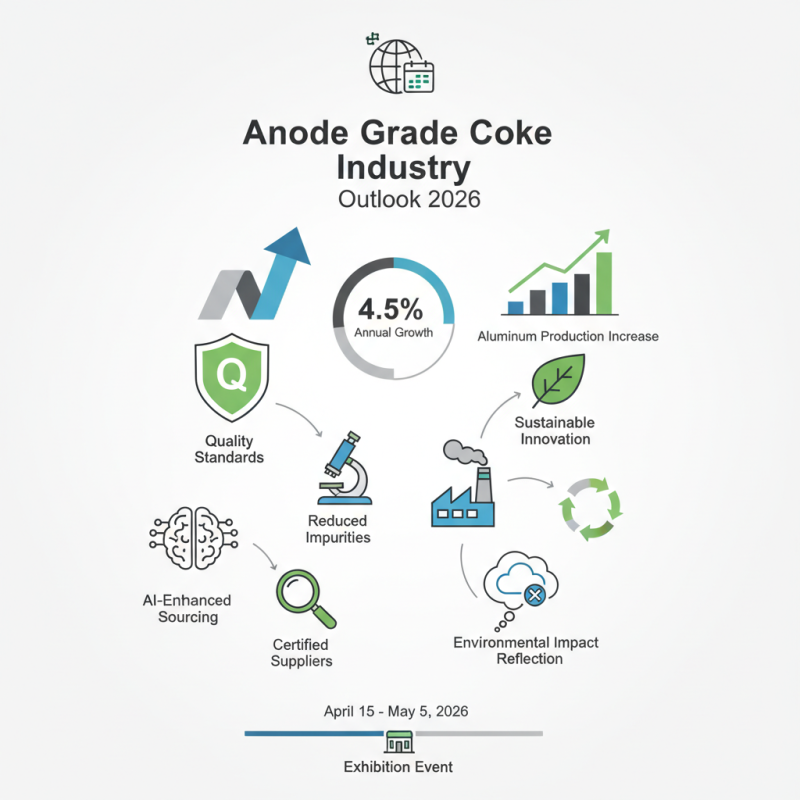
The 139th Canton Fair in 2026 will highlight Anode Grade Coke, a crucial material in aluminum production. This event, running from April 15 to May 5, will emphasize various industries, including advanced manufacturing and new materials. With AI-enhanced features, buyers can efficiently locate certified suppliers.
According to market reports, the demand for Anode Grade Coke is expected to rise, driven by the increasing aluminum market. Analysts project an annual growth rate of 4.5% in this sector through 2028. However, sourcing high-quality coke is challenging. Impurities in production can lead to inefficient electrolysis processes.
Exhibitors at the fair must focus on quality, as industry standards become stricter. The implementation of AI technologies will aid in identifying top suppliers faster. Yet, there remains a need for reflection about the environmental impact of coke production. This is a pivotal opportunity for stakeholders to innovate sustainably within the market.
Insights on Anode Grade Coke from the 139th Canton Fair
The 139th Canton Fair showcased a variety of products, with a particular focus on anode grade coke. As energy demands rise, the need for high-quality materials becomes crucial. Many exhibitors highlighted their innovations in anode grade coke production processes. They stressed the importance of quality control and material sourcing.
During the fair, discussions emerged about the industry challenges. Some manufacturers pointed out that fluctuating raw material prices affect production efficiency. Suppliers raised concerns about environmental regulations, emphasizing the need for sustainable practices. There were also brainstorming sessions on how to meet stringent quality requirements while maintaining cost-effectiveness.
Attendees exchanged views on future trends. Several experts noted a growing interest in recycling technologies. They believe these advancements could help reduce waste in production. However, some remained skeptical about the scalability of these technologies, fearing potential setbacks. The atmosphere was filled with both optimism and caution as stakeholders navigated this evolving landscape.
2026 Best Anode Grade Coke Insights from the 139th Canton Fair | Quality Grade | Moisture Content (%) | Volatile Matter (%) | Fixed Carbon (%) | Sulfur Content (%) | Ash Content (%) | Applications |
| High Grade | 0.5 | 1.0 | 98.5 | 0.3 | 0.2 | Aluminum Smelting |
| Medium Grade | 1.5 | 1.5 | 96.5 | 0.5 | 0.6 | Graphite Production |
| Standard Grade | 2.0 | 3.0 | 94.0 | 0.6 | 1.0 | Steelmaking |
Key Features and Quality Standards of 2026 Anode Grade Coke
The 2026 anode grade coke market is anticipated to experience significant changes. Quality standards for anode grade coke are rigorous. The primary requirement is a fixed carbon content of at least 90%. This feature ensures optimal performance in aluminum production. Impurities must remain low. Sulfur levels, ideally below 0.5%, are crucial to avoid contaminating the aluminum.
A recent industry report highlighted that demand for high-quality anode grade coke is rising. In 2022, the global market size reached approximately $4 billion. Analysts project a compound annual growth rate of 4.5% through 2026. The concern lies in maintaining a consistent quality amid growing demand. Not all producers can meet these stringent requirements.
The production process is complex. High-temperature treatment is necessary to achieve desired physical and chemical properties. Any deviation can affect efficiency and output. This inconsistency creates doubts in the market. Therefore, maintaining quality control is vital. Companies must invest in advanced technology to monitor production closely. The path forward is clear: enhanced quality and reliability are essential for growth in the anode grade coke sector.
Trends and Innovations in Anode Grade Coke Production Techniques
The 139th Canton Fair showcased exciting trends and innovations in anode grade coke production techniques. Manufacturers are focusing on sustainable practices. This shift responds to growing environmental concerns. New methods are emerging to minimize waste and energy consumption.
One notable innovation involves the use of advanced carbonization techniques. These techniques enhance the quality of the coke while reducing harmful emissions. However, some producers still struggle with integrating these methods effectively. The gap between established practices and modern techniques highlights a need for better training.
Additionally, automation in production processes is gaining traction. Robots and AI systems streamline operations, improving consistency. Yet, there are challenges. Initial costs can be high, and not all manufacturers can afford these upgrades. This creates a disparity within the industry, raising questions about accessibility and equity among producers.
Market Demand and Economic Factors Influencing Anode Grade Coke Pricing
The 139th Canton Fair highlighted significant trends in anode grade coke. Market demand has been fluctuating. Analysts predict a steady growth rate of around 4% in demand for the next three years. This growth is driven mainly by the increasing production of aluminum and lithium-ion batteries.
Economic factors play a crucial role in pricing. The current global economic climate influences coke producers. When energy prices rise, production costs also increase. For instance, coal prices reached a peak, causing a ripple effect in the anode grade coke market. Supply chain disruptions further complicate this scenario, creating potential shortages.
Tip: Monitor energy prices closely. They can directly impact anode grade coke costs.
Another concern is the capability of suppliers to meet demand. Many producers are facing operational challenges because of regulatory pressures. Such factors can lead to price volatility. Market participants should prepare for unexpected shifts.
Tip: Stay informed about regulatory changes. Anticipate their influence on production and pricing strategies.
Sustainability Practices in the Anode Grade Coke Industry
The anode grade coke industry is undergoing significant changes, especially in sustainability practices. At the recent Canton Fair, discussions highlighted the need for greener methods. Reducing carbon emissions is a priority. This goal requires innovative solutions in production and sourcing.
Many manufacturers are exploring alternative raw materials. They aim to minimize environmental impact while maintaining quality. Efficient energy usage is also a focus. Factories are adapting technologies to lower energy consumption. However, the transition is not without challenges. Some are struggling to balance cost and sustainability.
While the industry moves toward greener practices, there’s room for improvement. More collaboration is necessary among stakeholders. Sharing best practices could enhance sustainability efforts. Without a unified approach, progress may be slow. Industry leaders must reflect on their current methods and strive for greater environmental responsibility.
Insights on Anode Grade Coke Production and Sustainability Practices