2026 Best Aluminium Extrusion Rail for Global Buyers?
The global market for Aluminium Extrusion Rail is evolving rapidly. As of 2022, the aluminium extrusion industry was valued at over $100 billion. This significant growth is mainly driven by the construction and automotive sectors. These sectors increasingly prefer lightweight materials like aluminium due to sustainability concerns.
Aluminium Extrusion Rail products offer unique advantages, including high strength-to-weight ratios. They excel in applications ranging from transportation to architectural frameworks. However, challenges exist in manufacturing processes. Inconsistent quality and high initial set-up costs can hinder market entry. Industry experts suggest that advancements in technology can mitigate these issues, enhancing efficiency.
As we approach 2026, buyers will need to stay informed about trends. Sustainability initiatives are expected to shape decisions. Buyers should consider both quality and environmental impact in their selections. Understanding the nuances of Aluminium Extrusion Rail will be crucial for navigating the global market.
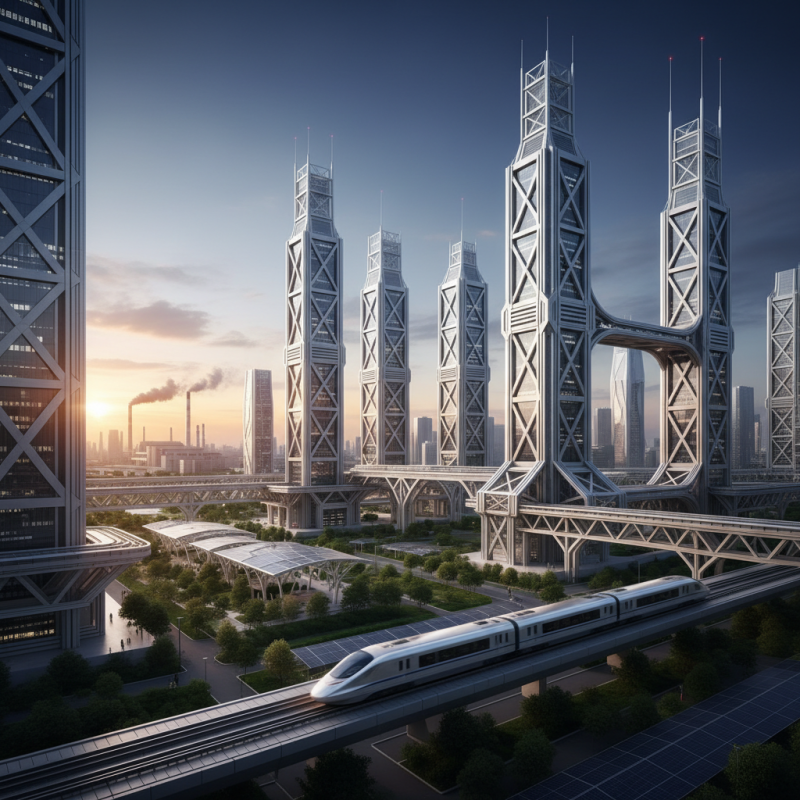
2026 Global Market Trends in Aluminium Extrusion Rail Industry
The aluminium extrusion rail industry is seeing significant shifts as we approach 2026. Market trends indicate a growing demand for lightweight materials in various sectors, including transportation and construction. This trend aligns with global efforts to enhance energy efficiency. Buyers are seeking versatile solutions that can reduce carbon footprints while maintaining structural integrity.
Emerging technologies are also transforming manufacturing processes. New techniques allow for more precise extrusion and better material utilization. However, some manufacturers may struggle to keep pace with these advancements. This gap in adaptation may pose challenges for companies that rely on older methods.
Sustainability is a key focus. Companies are exploring eco-friendly alloys and recycling processes. It is crucial for industry players to develop strategies that prioritize sustainability without compromising performance. This approach may not be straightforward, and companies may face uncertainties in sourcing materials and ensuring quality. The balance between innovation and reliability remains a critical aspect for global buyers.
Key Properties and Advantages of Aluminium Extrusion in Rail Applications
Aluminium extrusion offers several key properties that make it a preferred choice for rail applications. First, its lightweight nature significantly reduces the overall weight of rail systems, which improves energy efficiency. This reduction can lead to lower operational costs over time. Additionally, aluminium’s resistance to corrosion extends the lifespan of rail components, minimizing maintenance needs.
Another important advantage of aluminium extrusion is its versatility in design. Manufacturers can create complex shapes that meet specific engineering requirements. This adaptability allows for innovative solutions in rail construction. Yet, it’s crucial to acknowledge some challenges. While aluminium is strong, it cannot match the inherent sturdiness of steel in certain applications. Engineers must balance strength and weight when making material choices.
The recyclability of aluminium is a notable feature, appealing to sustainability efforts in the rail sector. Extruded aluminium can be reprocessed without losing its integrity. However, the energy-intensive process of initial aluminium production poses environmental concerns. Manufacturers should consider this when designing their systems. Overall, aluminium extrusion stands out, but reflective practices are essential for responsible usage in rail applications.
Top Manufacturers and Suppliers of Aluminium Extrusion Rails Worldwide
When exploring the global market for aluminium extrusion rails, identifying top manufacturers and suppliers is essential. These companies provide a wide range of products catering to various industries. Quality, reliability, and innovation are key factors in selecting the right supplier. Many manufacturers emphasize sustainable practices, ensuring that their processes meet environmental standards.
Tips for buyers include examining certifications and industry standards. Prioritize suppliers with established reputations in the market. Request product samples to assess quality firsthand. Keep in mind that geographical location can influence shipping costs and delivery times. It’s wise to consider proximity when choosing suppliers.
Networking at trade shows can also lead you to reputable manufacturers. Engaging directly can provide insights into their processes and capabilities. Don't hesitate to ask about their experience with specific applications. Understanding their expertise will help in making informed decisions. Remember, a thoughtful approach can significantly impact your project's success in sourcing aluminium extrusion rails.
2026 Best Aluminium Extrusion Rail Data Overview
This chart displays the production volume of aluminium extrusion rails in different countries for the year 2026. The data reflects the estimated production capacity in tons, showcasing how countries rank in this industry.
Sustainability Practices in Aluminium Rail Extrusion Processes
Sustainability practices in aluminium rail extrusion have gained significant attention. The production process often consumes a lot of energy. According to a report by the International Aluminium Institute, the aluminium sector accounts for around 2% of global greenhouse gas emissions. This brings an urgent need for better practices.
Efforts are underway to enhance energy efficiency and reduce waste. Recycling aluminium is one area with potential. It is reported that recycling aluminium saves up to 95% of the energy required for primary production. However, the rate of global aluminium recycling is only about 75%. This statistic highlights a critical area for improvement.
New technologies are emerging, such as the use of renewable energy sources during production. The shift to solar and wind power could lead to lower emissions. Yet, challenges remain. The initial costs of transitioning to these technologies can be high. Industry players must weigh these costs against the long-term environmental benefits. This reflects a growing need for a more sustainable approach in aluminium extrusion processes.
Future Innovations in Aluminium Extrusion Technology for Rail Systems
Recent advancements in aluminium extrusion technology are redefining rail systems globally. Companies are increasingly adopting lightweight yet sturdy aluminium components. This shift supports energy efficiency and reduces operational costs. According to a report by Research and Markets, the global aluminium extrusion market is projected to reach $120 billion by 2025. This growth reflects a rising demand for sustainable transport solutions.
Innovation is key in this transformation. Intelligent extrusion techniques are being developed to enhance precision. These methods enable the production of complex geometries, which are crucial for modern rail designs. However, challenges remain in maintaining quality during high-volume production. There is also a need for improved recycling techniques to address environmental concerns. Studies indicate that recycled aluminium can save up to 95% of the energy used in primary production.
The integration of automation and AI in aluminium extrusion processes is gaining traction. These technologies promise to streamline operations and enhance quality control. However, reliance on automation brings risks, such as potential job losses and increased initial costs for equipment. Industry experts suggest that balancing innovation with sustainable practices is essential for future growth.